
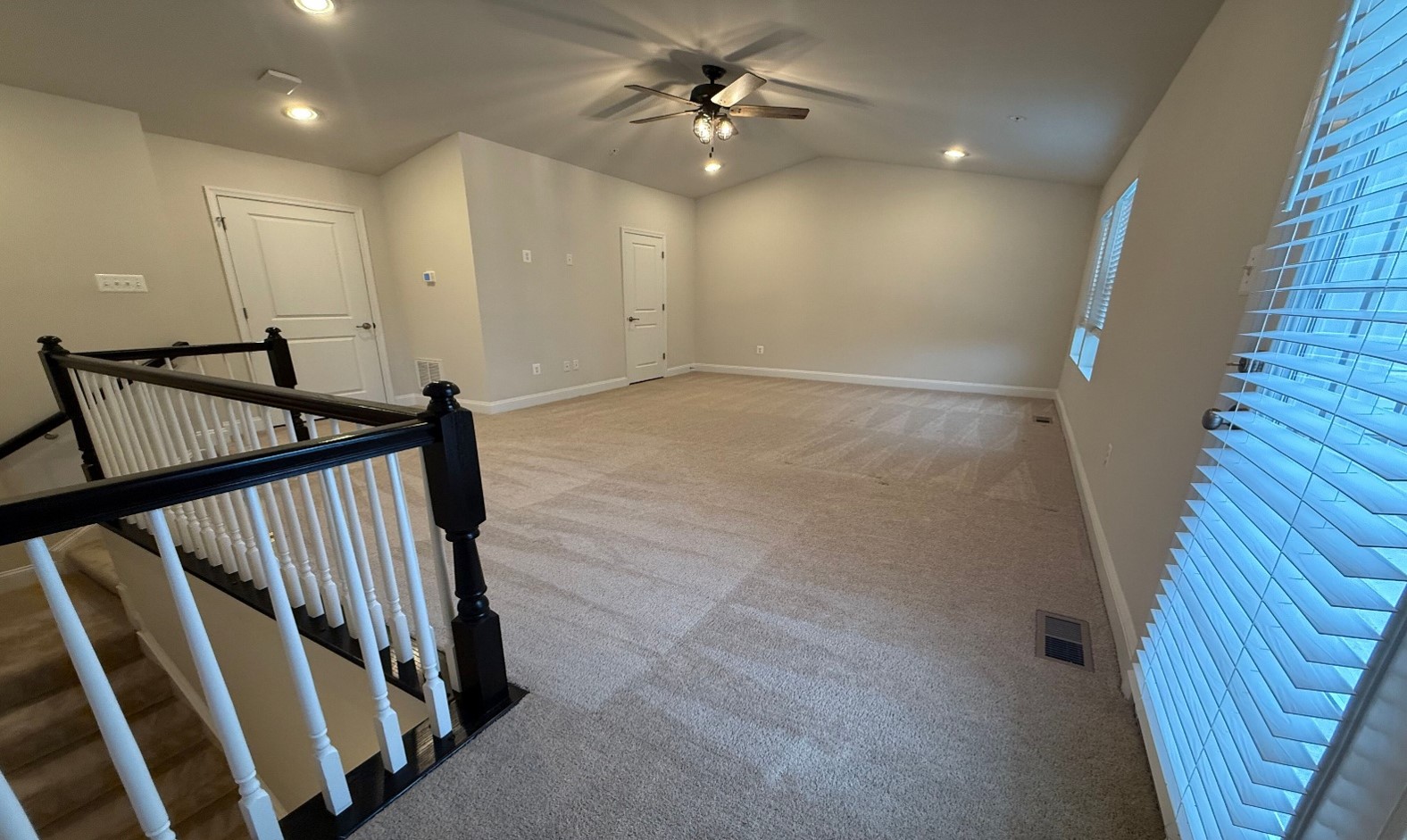
For most rental owners, the most expensive month of the year is the one with no tenant. Repairs and rising costs get the headlines, but vacancy quietly eats into returns more than almost anything else.
The good news is that vacancy is also one of the costs you have the most control over. Here's how to see what it really costs you, and what you can do about it.
What a vacant month really costs
An empty month costs more than the rent you don't collect. While the home sits vacant, most of your expenses keep running, and some new ones show up.
- Lost rent: on a $2,400/month home, every empty day costs about $79
- Mortgage, taxes, and insurance: these don't pause just because the home is empty
- HOA or condo fees: still due every month
- Utilities: electric, water, and gas usually shift back to the owner between tenants
- Upkeep: lawn care, snow removal, and regular check-ins to make sure the home stays secure
Add it up, and a single vacant month on a $2,400 rental can easily cost an owner $2,700 or more once utilities and upkeep are included. That's more than a month of profit for many owners.
Why pricing right beats pricing high
It's tempting to list high and see what happens. But a home priced $100 over market can cost you far more than $100 a month.
Here's a simple example over the first 12 months after listing:
| Owner A: priced high | Owner B: priced at market | |
|---|---|---|
| Monthly rent | $2,500 | $2,400 |
| Days vacant | 45 | 10 |
| Rent collected in year one | $26,300 | about $28,000 |
Owner B charges $100 less per month but collects about $1,700 more in the first year. Owner A also pays an extra five weeks of utilities and upkeep, and often ends up cutting the price anyway.
A listing that sits also starts to look stale. Renters notice when a home has been on the market for weeks, and they tend to wonder why.
Turnover prep: where days slip away
Vacancy doesn't start when the home hits the market. It starts the day the last tenant moves out. Every day spent on cleaning, painting, and repairs before listing is a day with no rent coming in.
The most common delays we see:
- Waiting until move-out to inspect, then discovering repairs that need parts or scheduling
- Lining up vendors one at a time instead of booking painters, cleaners, and handymen in advance
- Taking on upgrades mid-turnover that stretch a one-week make-ready into a month
- Holding off on photos and marketing until every last task is finished
A well-run turnover can often get a home ready in about a week. A disorganized one can easily take three or four, and at $79 a day, that difference adds up quickly.
How to shorten your vacancy
- Start early. Confirm renewal plans 60 to 90 days before the lease ends, so you know whether you'll need to market the home.
- Inspect before move-out. A pre-move-out walkthrough lets you order parts and book vendors before the home is empty.
- Price from real data. Base rent on recent comparable rentals nearby, not on what you hope to get or what a neighbor mentioned.
- Market before it's vacant. Good photos and early listings, with respectful showings to the current tenant, can line up the next lease before the home is ever empty.
- Keep good tenants. A fair renewal increase and responsive maintenance often cost far less than a turnover.
- Watch your first two weeks. If showings are slow, adjust the price or listing early instead of waiting a month.
Let us help you keep it occupied
Vacancy is one of the biggest factors in your rental's return, and one of the most manageable. The right price, a fast turnover, and early marketing can save you thousands every time a tenant moves on.
At Silver River Properties, we handle pricing, turnovers, marketing, and renewals so your home spends less time empty. Visit silverrivermd.com or contact our team to talk about your property.