
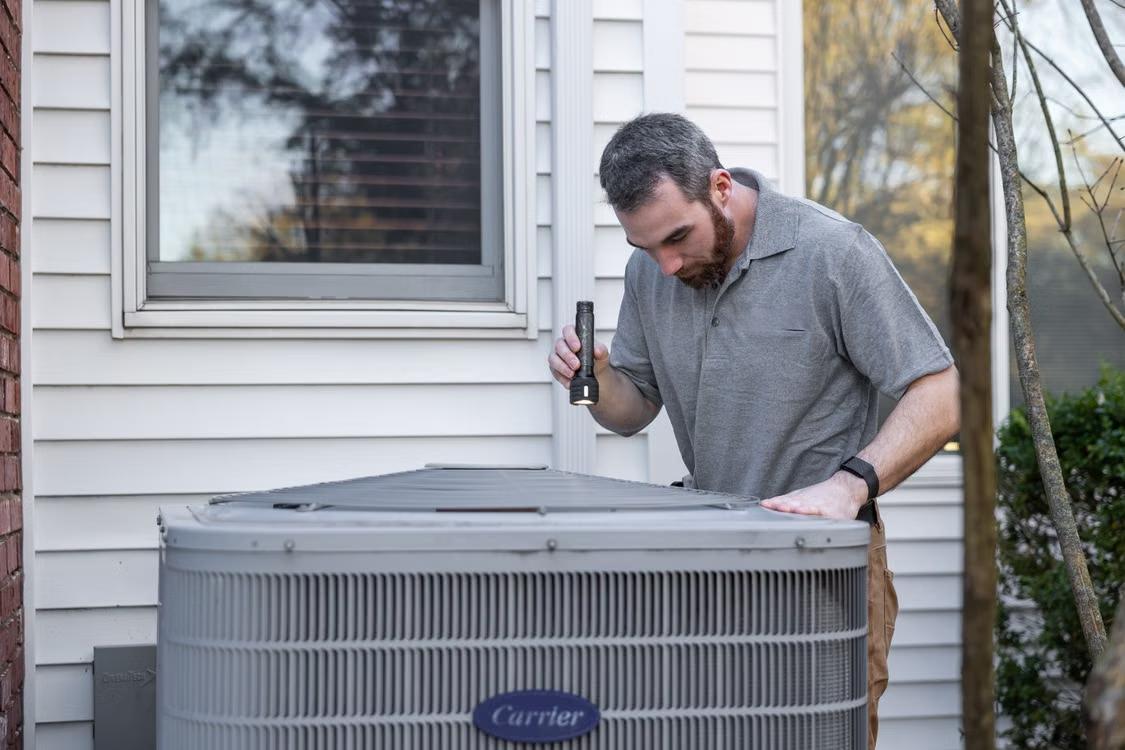
As the weather turns colder, rental homes in Bowie and Crofton are subject to the same old risks — frozen pipes, broken furnaces, drafty windows, and the maintenance issues that seem to happen on the coldest night of the year. A little preparation now can save landlords thousands in repairs and keep tenants safe and comfortable through the season.
Winterizing isn't just a courtesy. In Maryland, landlords are legally responsible for keeping rental units habitable, and heat is one of the most basic habitability requirements there is. A rental property that isn't winter-ready is both a maintenance risk and a compliance risk.
Here's a practical checklist for getting your Bowie or Crofton rental ready for the cold months ahead.
1: Schedule a Professional HVAC and Furnace Inspection
A broken furnace in mid-January is more than a nuisance—it’s a habitability concern that can put a landlord at odds with Maryland housing requirements. “Have a licensed technician come out to inspect the furnace, clean or replace filters, and check the thermostat for accuracy before the cold weather sets in.
It’s also important to consider the age and service history of the unit, as older systems are more likely to fail with heavy winter use.
A pre-season inspection will normally cost significantly less than an emergency repair call out during the first cold snap of the year and drastically reduces the chances of a heating failure when a renter is depending on it.
If the home has more than one heating zone or unit, check each independently and don’t assume one inspection of the full system covers them all.
2: Insulate and Protect Pipes From Freezing
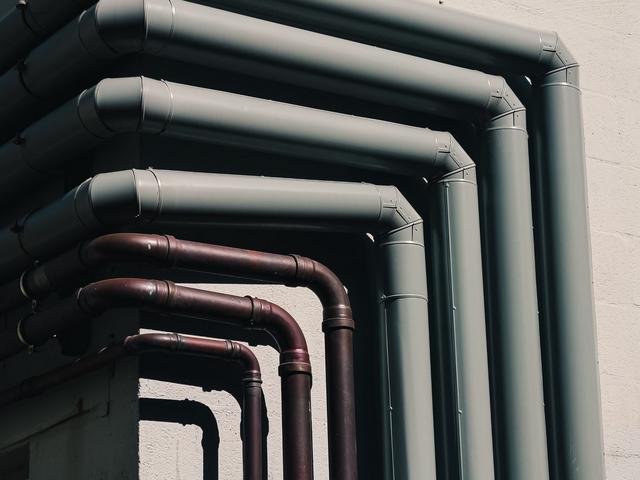
Frozen pipes are one of the most common (and expensive) winter emergencies landlords face. A busted pipe can flood a flat, wreck flooring, drywall, and personal goods and take a rental down for weeks.
Insulate exposed piping in basements, crawl spaces, attics, and around external walls. If you have a unit that has had freezing problems, consider using heat tape for particularly vulnerable regions.
If you have tenants that travel during the winter months, be careful to advise them to keep the heat on at a minimum level. Make sure they have a mechanism to contact you or your property manager quickly if a pipe does freeze.
3: Seal Drafts Around Windows and Doors
Windows and doors that are not well sealed can make a unit uncomfortable and drive up heating costs. This might result in tenant complaints or disputes over utility bills if renters are paying their own heat.
Check the outside of the property for any gaps around window frames, door thresholds and any areas where pipes or cables enter the building.
Weatherstripping and caulk are cheap solutions, they make a big impact. For older units in Bowie and Crofton with original windows, this is frequently the highest value winterizing chore on the list.
4: Clean Gutters and Inspect the Roof
Clogged gutters are a common cause of ice dams, which can force water back under the roofing and into the property’s structure. Clear leaves and other debris from gutters and downspouts before the first freeze and make sure water runs away from the foundation, not toward it.
While you’re up there, take a good look at the roof itself. Fixing loose or missing shingles is far easier and cheaper in the fall, before a winter storm has exacerbated the situation.
5: Test Smoke and Carbon Monoxide Detectors
As winter sets in, the more frequent use of furnaces, space heaters and fireplaces heightens the risk of carbon monoxide exposure.
Maryland law requires tenants to have smoke alarms that work, and it’s just as important to have carbon monoxide detectors that work during heating season, particularly in units with gas appliances or an attached garage.
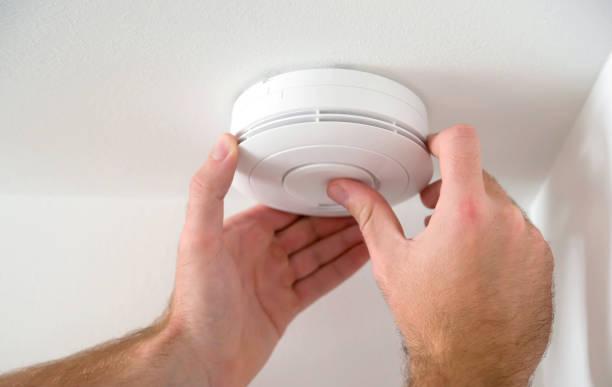
Test each detector, change batteries, and ensure those near bedrooms and heating equipment are working. This is a quick task that has severe safety and liability repercussions if skipped and is worth preserving in your records should the topic ever be challenged at a later date.
6: Winterize Outdoor Faucets and Irrigation Systems
Outdoor spigots and sprinkler pipes might be easy to ignore but can freeze and crack if not attended to. Turn off water to exterior faucets, unplug garden hoses if possible & drain outside faucets. If you have an irrigation system on your property, have a professional do a blowout (draining the water out of the lines) before the first strong freeze.
7: Send Tenants a Winter Guidelines Reminder
If renters had known what to look for, many winter emergencies may have been averted or at least reported sooner. A little seasonal reminder goes a long way. Ask tenants to report any chilly places, odd drafts, or signs of a leak promptly, and let them know how to get in touch with you for urgent maintenance needs.
If you communicate well before winter, you’ll have fewer emergency calls, and your tenants will feel like the property is being actively maintained, which helps with lease renewals down the road.
8: Schedule a Pre-Winter Walkthrough
A brief walkthrough before the season changes can help you detect tiny issues like a loose handrail, a failing weather seal or a flickering light near a doorway before they become significant problems when it’s icy or snowing out. As you would with a move-in or move-out inspection, take photos of the visit to document the state of the property heading into winter.
The Bottom Line
Winterizing a rental home in Bowie or Crofton doesn’t cost a lot of money. It just takes a steady and proactive attitude. Almost all winter maintenance emergencies can be prevented if you maintain communication lines open with tenants, plug drafts, protect pipes, and service the furnace.
For landlords managing numerous properties, or simply wishing to avoid the stress of an emergency repair call on the coldest night of the year, Silver River Properties can assist develop a seasonal maintenance plan that keeps your rental protected and your renters happy all winter long.